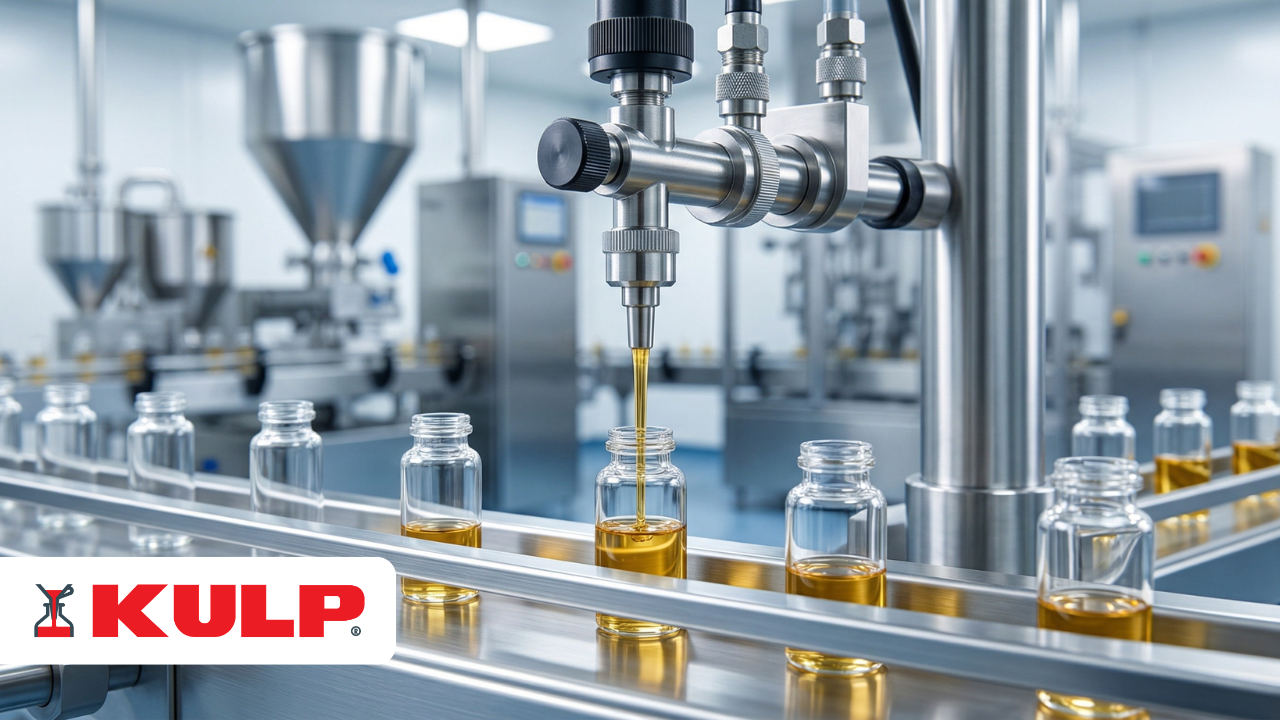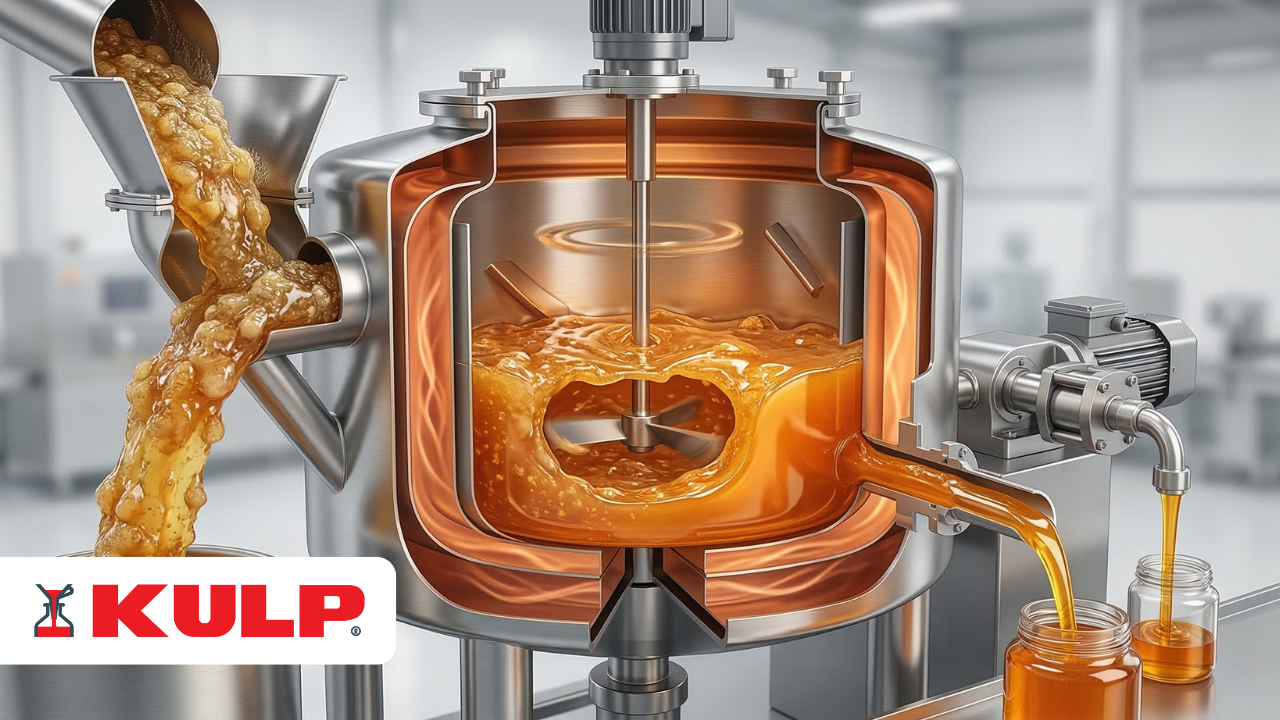
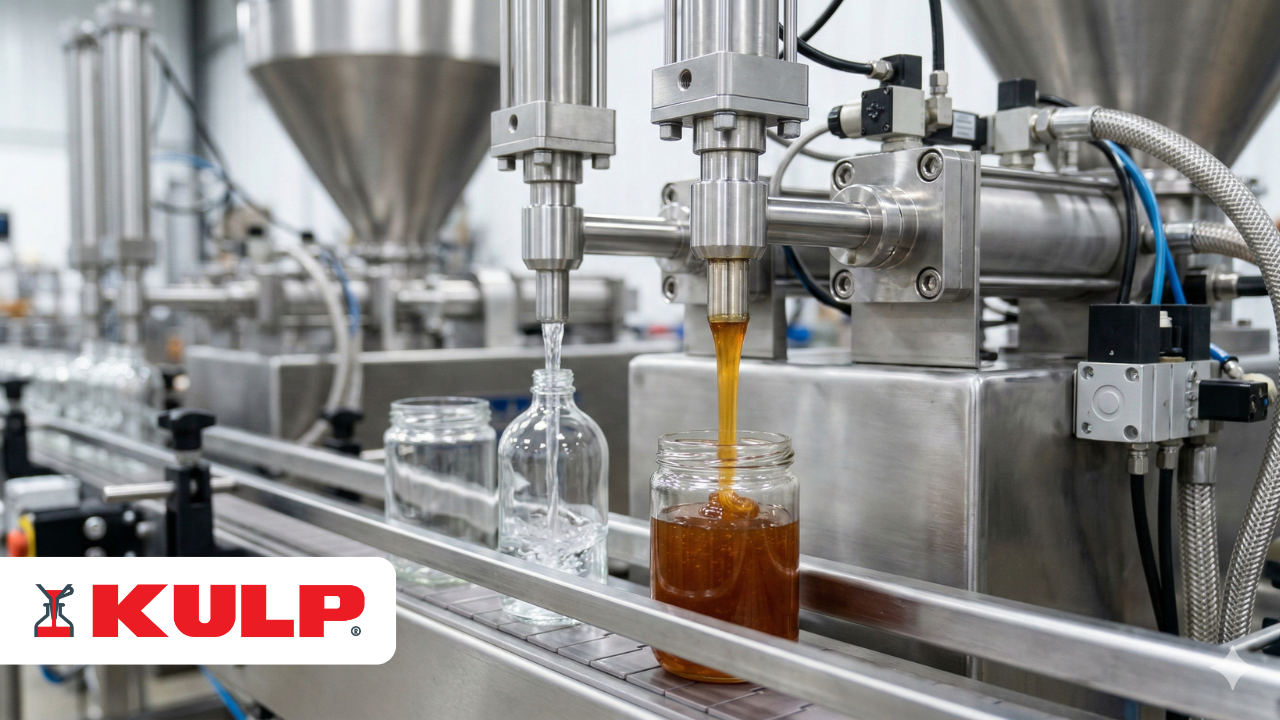
In the highly competitive landscape of global manufacturing, the continuous rhythm of your packaging line is the ultimate indicator of your financial health. Walking across a factory floor and witnessing an operator constantly wiping spilled honey from a conveyor belt, or struggling to clean a perpetually clogged nozzle, is the physical manifestation of a profound engineering failure. When international industrialists and factory managers plan their capital expenditures, they frequently fixate on a single metric: the target daily production volume. While stating “we need to output 10,000 bottles per shift” is undeniably critical for your supply chain, achieving that exact throughput is entirely dependent on understanding the chemistry, physics, and behavioral dynamics of the product you intend to fill.
This is precisely where the most fundamental law of packaging machinery procurement comes into play: Viscosity. Purchasing any liquid packaging equipment without a rigorous, scientific analysis of your product’s viscosity—its natural resistance to flow—transforms a seemingly sound investment into an operational liability. Drawing from decades of global field experience at Kulp Machinery, the most catastrophic error we observe in the international market is the misconception that a single, generic machine can universally handle every liquid. The fluid dynamics of purified water are diametrically opposed to the fluid dynamics of heavy industrial grease or organic peanut butter. You simply cannot subject these distinct materials to the same mechanical handling principles.
“In industrial manufacturing, ignoring the laws of fluid dynamics is the fastest way to sabotage your own profitability and permanently damage the structural integrity of your premium products.”
Through this comprehensive engineering guide, we will eliminate the marketing noise surrounding packaging machinery. We will dissect the true technical definition of viscosity, explore fluid behaviors under mechanical stress, and definitively explain why volumetric piston filling technology remains the undisputed global standard for handling thick, viscous, and particulate-rich products with zero product waste.
The True Engineering Definition of Viscosity
In its purest technical definition, viscosity is the measure of a fluid’s internal friction and its inherent resistance to deformation at a given rate. In the daily vernacular of the factory floor, operators refer to this simply as “thickness” or “consistency.” The internationally recognized standard unit of measurement for this property is the Centipoise (cP). When a mechanical engineer sits down to design a customized filling line, the exact cP value of the client’s product dictates the required servo motor torque, the diameter of the sanitary piping, the geometry of the valve systems, and the precise architecture of the filling nozzles.
To streamline the machinery selection process for our global clientele, we categorize products into three primary engineering classifications based on their viscosity profiles:
Low Viscosity (Water-Based) Products (1 – 100 cP): This category includes purified water, fruit juices, premium spirits, window cleaners, automotive coolants, and chemical solvents. These fluids flow rapidly and effortlessly under the simple force of gravity. They offer virtually zero mechanical resistance.
Medium Viscosity Products (100 – 5,000 cP): This tier encompasses extra virgin olive oils, cosmetic shampoos, liquid hand soaps, shower gels, salad dressings, and light syrups. To describe them practically, these are products that will flow when you invert the bottle, but at a noticeably slower, controlled rate compared to water. They present a moderate mechanical resistance that requires controlled pumping.
High Viscosity (Paste and Cream) Products (5,000 – 100,000+ cP): This is the most challenging category, featuring raw honey, tahini, molasses, peanut butter, heavy cosmetic creams, pharmaceutical ointments, petroleum jelly (Vaseline), toothpaste, and industrial lubricants. These products absolutely will not flow independently. To transfer them from a holding tank into a retail container, they must be aggressively pushed by an external mechanical force utilizing extreme suction and high pressure.
An automated production line that disregards these distinct fluidity dynamics will inevitably suffer from pump cavitation, inconsistent fill volumes, and persistent mechanical breakdowns, causing the manufacturing facility to constantly bleed capital through unplanned downtime. Standard machinery operating on gravity or flowmeter principles may perform exceptionally well for low-viscosity solvents. However, the moment you introduce raw honey or thick tahini into a gravity filler, the system chokes. The product refuses to pass through the narrow pipelines, the fill weights fluctuate wildly, and the internal pumps overheat and eventually burn out. Therefore, your product’s specific consistency directly dictates the destiny of your capital investment.
Newtonian vs. Non-Newtonian Fluids: Preserving Product Integrity
The engineering challenge extends far beyond merely determining how thick a product is while it is resting in a tank; a manufacturer must also understand exactly how the product behaves when it is subjected to movement and mechanical stress.
Fluids such as water, light oils, and pure honey are classified as “Newtonian” fluids. Regardless of how vigorously you agitate them in a mixing tank or how much pressure you apply to force them through a sanitary pipe, their core viscosity remains constant. They are predictable and relatively stable.
Conversely, industrialists frequently struggle with “Non-Newtonian” fluids, which are notorious for altering their physical state under stress. The most universally recognized example is tomato ketchup. While resting inside a glass bottle, ketchup acts almost like a solid paste. However, the moment you apply shear stress—by striking the bottom of the bottle or forcing it through a mechanical pump—it instantly becomes highly fluid. This same complex molecular behavior applies to high-end cosmetic emulsions, specialized industrial paints, and complex pharmaceutical gels.
“A superior production line must respect the molecular integrity of the product; forced mechanical stress from the wrong pump will irreversibly destroy premium chemical formulations.”
If you attempt to process these delicate, character-shifting products using a standard high-speed rotary gear pump, the aggressive shearing action and extreme pressure will permanently shatter the product’s molecular structure. Your carefully formulated cosmetic cream may lose its luxurious texture and permanently liquefy into a watery substance. Volumetric piston filling technology provides the ultimate safe harbor for these sensitive materials. Instead of violently crushing the product between high-speed gears, a piston system gently utilizes a vacuum stroke to draw the product into a smooth cylinder, and then smoothly pushes it into the packaging. The texture, color, and chemical quality of your emulsion remain exactly as pristine as the moment it left your mixing reactor.
The Critical Correlation Between Temperature and Viscosity
While viscosity might appear as a static number on a laboratory specification sheet, on the actual production floor, it behaves like a living organism. Viscosity fluctuates dramatically in direct response to the ambient temperature of the facility and the internal temperature of the product itself.
Consider the thermal dynamics of organic honey. At a standard room temperature of 20°C (68°F), honey presents a formidable viscosity of approximately 10,000 cP. However, if your process involves heating that exact same honey to 45°C (113°F) prior to packaging, its viscosity plummets to roughly 2,000 cP, rendering it as fluid as a standard shampoo. Furthermore, numerous products in the food and chemical sectors—such as fruit jams, hot chocolate sauces, industrial waxes, and specific sanitizers—must be packaged using “Hot Filling” protocols, frequently involving temperatures ranging from 75°C to 95°C (167°F – 203°F) to ensure sterilization and flowability.
If your facility requires hot filling operations and you have imported a budget-tier machine equipped with standard NBR or EPDM rubber seals to save on initial costs, that machine is guaranteed to fail within weeks. When standard sealing elements are continuously exposed to 85°C acidic fruit jam, they rapidly expand, degrade, and ultimately melt. The immediate consequence is severe piston leakage, catastrophic weight variations, and valuable product spilling across the factory floor.
At Kulp Machinery, whenever an international client’s process involves elevated temperatures or aggressive chemicals, we engineer the machine utilizing Viton or Teflon (PTFE) for all product-contact seals and O-rings. These advanced aerospace-grade polymers offer extraordinary resistance to extreme thermal stress and chemical corrosion. This specific, uncompromising engineering upgrade extends the operational lifespan of the filling block by years and entirely eliminates heat-related downtime.
Why Volumetric Piston Filling is the Undisputed Global Standard
For international manufacturers dealing with dense, paste-like, or particulate-rich products (such as strawberry preserves containing whole fruit pieces), the absolute gold standard of the packaging industry is Volumetric Piston Filling Technology. But how does this specific mechanical architecture function, and why is it considered irreplaceable?
The beating heart of a volumetric piston system is a precision-machined stainless steel cylinder housing a tightly fitted, reciprocating piston block. The fundamental mechanics operate similarly to a massive, highly calibrated medical syringe, executing two distinct phases:
The Suction Stroke: The piston is mechanically pulled backward. This precise movement generates a massive vacuum vortex inside the stainless steel cylinder. The thick, resistant product waiting in the overhead hopper is forcefully sucked down into the cylinder chamber, overcoming its own dense viscosity.
The Discharge Stroke: Once the cylinder is filled to the exact predetermined volumetric parameter (for example, exactly 1000 ml), a synchronized rotary valve shifts its position. The piston then drives forward with immense mechanical force, pushing the heavy product out of the cylinder, through the specialized nozzles, and directly into the awaiting retail container.
While gravity-fed systems lack the kinetic energy to move heavy peanut butter, and flowmeters easily become blocked by the sesame fragments inside tahini, the piston system remains mechanically dominant and unrelenting. Regardless of how thick, sticky, or dense the product is, the piston forces it into the packaging with zero margin for volumetric error.
Furthermore, when processing high-viscosity materials, the design of the overhead feeding unit (the hopper) is of paramount importance. For products like tahini, where the natural oils separate and rise while the heavy sesame solids sink to the bottom, a standard conical funnel is useless. To guarantee that the product remains perfectly homogenized before it enters the filling cylinders, it is mandatory to utilize hoppers equipped with Heavy-Duty Motorized Agitators (Mixers). Alternatively, if your product solidifies rapidly when exposed to cool air (such as industrial grease, wax, or petroleum jelly), we engineer Double-Jacketed Heated Hoppers. By circulating heated water or thermal oil between the dual walls of the hopper, the product is maintained at its optimal fluid state throughout the entire production run.
Advanced Nozzle and Valve Engineering for Specific Product Behaviors
No matter how powerful the servo motors driving the pistons are, the ultimate success of the filling operation relies entirely on the final component that transfers the liquid into the bottle: the nozzle. Selecting the incorrect nozzle geometry will instantly paralyze an entire automated line.
Stringing and Dripping Products (Honey, Glucose, Syrups): When filling ceases, these highly viscous products do not break off cleanly. Instead, they form long, sticky threads that stretch downwards. This trailing thread inevitably drips onto the threads of the bottle neck, ruins the label aesthetics, and contaminates the conveyor belt. The permanent engineering solution is Kulp Machinery’s proprietary Anti-Drip Pneumatic Nozzle Technology. The absolute millisecond the fill volume is reached, an internal pneumatic mechanism creates a rapid vacuum (suck-back effect) or deploys a sharp internal shearing blade, instantly cutting the sticky thread. Your premium glass jars remain impeccably clean, ready for immediate capping.
Foaming Products (Shampoos, Liquid Soaps, Detergents): Despite having a thick consistency, these products contain active surfactants. If dropped into a bottle from above, they experience severe turbulence and generate massive amounts of foam. The foam rapidly overflows, making it impossible to apply a cap and resulting in under-filled containers. To counteract this, we deploy Bottom-Up Diving Nozzles. Driven by synchronized servo motors, the nozzles dive to the absolute bottom of the empty bottle. As the product is dispensed, the nozzle slowly rises, keeping the tip submerged just beneath the rising liquid level. This eliminates oxygen exposure and turbulence, resulting in a high-speed, zero-foam filling cycle.
Particulate-Rich Products (Fruit Jams, Peeling Creams, Salsas): If a manufacturer attempts to pump a premium cherry preserve using standard check valves (which utilize an internal floating ball), the mechanical action will crush the cherries into an unrecognizable puree. When a consumer opens a jar of artisanal jam, they expect to see whole, pristine fruit pieces. For these specialized projects, we integrate our pistons with wide-channel Rotary Valves. The massive internal pathways of the rotary valve allow large chunks of strawberries, whole cherries, or thick garlic cloves to pass directly from the hopper into the jar without ever being squeezed, crushed, or degraded.
Preventing Hidden Financial Losses: Accuracy and ROI Optimization
The most devastating strategic error an international buyer can make is fixating exclusively on the initial capital expenditure (CAPEX) on the proforma invoice. In industrial reality, the true, hidden cost of a machine is measured by the money it silently loses—or actively saves—every single day on the factory floor.
Volumetric piston filling technology (specifically our Servo-Motor driven configurations) represents the absolute pinnacle of weight accuracy in the packaging industry. If your facility is processing raw Manuka honey, advanced anti-aging serums, or highly regulated agricultural chemicals, your bulk product is exceptionally expensive. A poorly calibrated, low-tier machine imported from an unreliable source will consistently fluctuate between ±10 to ±15 grams per cycle. To avoid crippling fines from international weights and measures authorities, or devastating rejections from major retail distributors, production managers are forced to intentionally “overfill” the containers (e.g., setting the machine to dispense 512 grams for a 500-gram label claim).
The financial mathematics of this error are stark and brutal: You are giving away 12 grams of premium product for free in every single jar. Assuming a conservative production volume of 5,000 jars per day; 5,000 x 12 grams equates to 60 Kilograms of product lost daily. That is 1.8 metric tons per month, or nearly 22 metric tons of product given away annually without generating a single dollar of revenue. The raw material cost of those 22 tons of lost honey or cosmetic cream would have easily paid for a top-tier, fully automated European-standard servo line multiple times over.
“True machinery cost is never the purchase price; it is the invisible daily drain of product give-away and unplanned downtime that silently bankrupts a production facility.”
At Kulp Machinery, our volumetric piston systems guarantee an unparalleled filling accuracy of ±0.5% to ±1%. On a 500-gram target, your maximum volumetric deviation is a microscopic 1 to 2 grams. By utterly eliminating this “product giveaway,” our machinery frequently generates a complete Return on Investment (ROI) in less than 12 months, simply by protecting your valuable raw materials.
The Global Supply Chain: European Standards vs. High-Risk Imports
As you scale your global operations, the remarkably low price tags of machinery imported from the Far East can appear highly attractive to procurement departments. However, seasoned industrialists operate on the principle of Total Cost of Ownership (TCO).
When the proprietary PLC touchscreen of a deeply discounted Asian machine suddenly burns out, or a non-standard pneumatic cylinder shatters mid-shift, that inexpensive machine instantly transforms into the most expensive asset in your factory. You will discover there is no local technical support, the trading company accepts no liability, and waiting for replacement parts to clear international customs takes four agonizing weeks. During that month of downtime, the revenue you lose, the retail contracts you breach, and the idle labor wages you pay will dwarf the money you initially “saved” on the purchase price.
As a manufacturer strategically headquartered in Istanbul—the industrial bridge between Europe and Asia—Kulp Machinery offers the definitive “Golden Ratio” for global B2B buyers. We provide uncompromising European engineering quality at highly competitive manufacturing costs. Every single piston system we export is CNC-machined in-house from solid AISI 304 stainless steel, utilizing strictly medical/food-grade AISI 316L stainless steel for all components that contact your product.
Most importantly, we practice a strict “Universal Components” ideology. We absolutely refuse to use unbranded or proprietary electronics. Our machines are powered by global industry titans: Siemens, Schneider, SMC, Festo, and Sick. If a sensor is accidentally damaged by a forklift in your facility in Chicago, London, or Sydney, you do not need to wait for a shipment from Turkey. You simply drive to your local industrial supplier, purchase the exact same universally recognized Sick sensor off the shelf, and restore your production line within hours. You are not just purchasing a piece of steel; you are investing in Kulp Machinery’s 40-year legacy of engineering resilience and our ironclad guarantee of uninterrupted global production.
Frequently Asked Questions (Global Importer FAQ)
1. Can I use a volumetric piston filler for both low-viscosity water and heavy industrial grease? Theoretically, yes; a powerful piston system creates enough vacuum and pressure to move water just as easily as grease. However, utilizing a heavy-duty piston filler exclusively for water is akin to using a heavy commercial tractor to commute to an office—it introduces unnecessary mechanical wear and energy consumption. If your core business is thick products (honey, pastes, creams) but you occasionally run a batch of liquid solvent, a piston filler is an exceptionally versatile and perfect solution.
2. How long does the Cleaning in Place (CIP) process take for international food compliance? Hygiene is the most heavily audited aspect of pharmaceutical and food-grade manufacturing. On obsolete machinery, dismantling pistons for sanitation can halt production for hours. Kulp Machinery completely circumvents this issue by integrating “Tri-Clamp” sanitary connection technology across the entire fluid path. Without utilizing a single wrench or tool, your operator can completely dismantle the pipelines, rotary valves, and nozzles, flush them with high-temperature sanitizers, and reassemble the entire block in under 15 minutes.
3. What happens if an electronic or pneumatic component fails in my country? Our commitment to your operational uptime is absolute. Because we exclusively utilize universally standardized, globally recognized brands (Festo, SMC pneumatics; Siemens, Delta PLCs), replacement components are already stocked in industrial supply hubs in almost every major city worldwide. For diagnostic support, our automated lines feature secure remote access modules, allowing our engineers in Istanbul to log directly into your machine’s PLC via the internet to troubleshoot software issues or optimize servo parameters instantly, regardless of your geographic location.
4. Do rotary valves crush fruit particles in premium jam production? Absolutely not. Standard check valves utilizing internal floating balls will violently crush and puree fruit inclusions. Knowing that premium retail consumers expect to see whole fruit pieces, we equip our particulate-filling lines with massive, custom-machined Rotary Valves. The wide internal channels of these valves allow the piston to smoothly draw and push large strawberries, cherries, or vegetable chunks directly into the jar without inflicting any mechanical damage or degradation to the ingredients.
5. How do you handle voltage and electrical compliance for North America versus Europe? We fully customize the electrical and pneumatic infrastructure of every exported machine to comply flawlessly with your specific regional grid and safety regulations. For our European and Middle Eastern clients, we build to CE standards at 220V/380V 50Hz. For our clients in the United States and Canada, we engineer the electrical cabinets to strict UL/CSA guidelines, operating seamlessly on 110V/220V or 480V 3-Phase 60Hz power grids.
6. Can I monitor the Factory Acceptance Test (FAT) without flying to Turkey? Yes. We understand that international travel requires significant time and financial resources. Before any machine is crated for export, we conduct a rigorous Virtual Factory Acceptance Test (Virtual FAT). You ship your exact bulk product, empty bottles, and caps to our Istanbul facility. We then schedule a live, multi-camera video conference where you can monitor the machine running your specific materials in real-time. You can verify the filling speed, watch the anti-drip nozzles function, and confirm the exact weight precision on a digital scale, allowing you to sign off on the equipment with total confidence from your own office.
Validate Your Investment Through Engineering Proof
Dear Global Manufacturing Partner,
Do not finalize the most critical capital expenditure of your production facility based entirely on PDF brochures, glossy photographs, or unverified claims. The unique chemical rheology of your premium product, the specific geometry of your custom packaging, and the strict demands of your supply chain require empirical, physical validation.
We invite you to bridge the geographic divide. Ship samples of your bulk product, your empty containers, and your closures directly to our headquarters in Istanbul. Within our state-of-the-art demonstration center, our senior engineers will conduct a live, comprehensive test run utilizing your actual materials.
Witness the unyielding power of servo-driven piston technology. Observe the flawless execution of our anti-drip nozzles, and verify the microscopic weight accuracy that will instantly eradicate your product give-away losses. Base your global manufacturing future not on promises, but on undeniable mechanical performance.